Anúncios
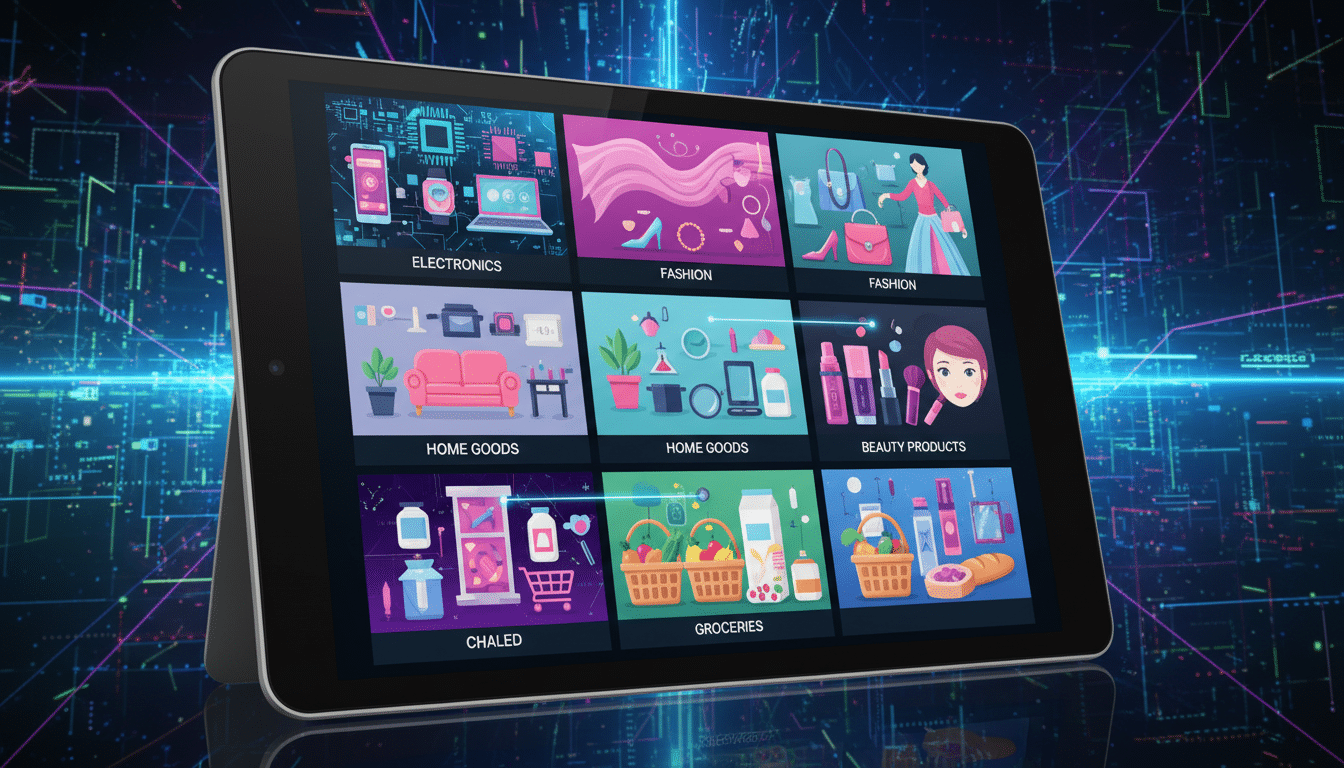
Trending products in shopping apps are items that quickly gain visibility, clicks, or purchases inside an app. They matter for mobile shopping because sessions are faster. Visuals drive decisions, and social signals can push an item from niche to popular overnight.
This section explains what makes a product trend in-app and why ecommerce trends look different on phones. The focus is practical: how mobile-first users and merchants can spot signals and act faster. It also helps avoid hype when evaluating hot picks across fashion, beauty, and home.
The guide is for women who shop on apps and for sellers who optimize for mobile discovery. Expect clear tips, simple data cues, and examples that help you discover trending products. You will learn why they rise and how to make smarter choices when buying or listing items.
Key Takeaways
- Trending products show rapid increases in views, clicks, or purchases within an app.
- Mobile shopping behavior favors fast browsing, strong visuals, and social influence.
- Spotting ecommerce trends relies on quick data cues rather than long-term signals.
- Sellers should optimize listings for app discovery; shoppers should check recent activity.
- This guide offers practical steps to act on popular items without falling for hype.
How shopping apps are shaping ecommerce trends
Shopping apps moved discovery from desktop browsers to quick, swipeable moments on mobile screens. This shift fuels new ecommerce trends. Short sessions and visual feeds now combine with social moments and machine learning.
Anúncios
Rise of mobile-first shopping experiences
Apps are designed for short attention spans with swipeable feeds and bold imagery. Saved carts, push notifications, and home-screen shortcuts make returning to shopping easy.
For many users, the app is the go-to place for popular items. This mobile-first approach turns casual browsing into repeat visits and faster purchases.
Personalization and AI-driven recommendations
Modern platforms use browsing history, past purchases, and in-app signals to create tailored product carousels. Personalization increases relevance and nudges users toward products they might love.
AI-driven recommendations speed up discovery to checkout. They can push a product into trending status within hours.
Integration of social commerce features
Shoppable videos, in-app user galleries, and creator storefronts bring social proof inside the app. These features shorten the path from seeing to buying.
Livestreams and taggable posts help viral items spread fast. They blend algorithmic discovery with real-life peer influence.
- Expect more serendipity: feeds will mix tailored picks with trending products and social hits.
- Expect faster discovery: social commerce and AI-driven recommendations will surface popular items in real time.
- Expect habitual use: mobile-first shopping patterns will keep apps central to everyday buying.
Top categories seeing rapid growth in shopping apps
Shopping apps reveal clear patterns in what users add to carts and save for later. This section shows three fast-growing categories. It also highlights signals that mark trending products in each niche.
Fashion and apparel: fast trends and micro-seasons
Micro-influencers on Instagram and TikTok shorten trend cycles to just days. Outfit drops and capsule edits cause quick turnarounds. A piece can peak and fade within a week.
Key signals include high saves, repeat pageviews, outfit tagging, and frequent style shares. Brands that update listings often stay visible on mobile feeds. This boosts discovery of trending products.
Health, wellness, and beauty: subscription and repeat purchases
Skincare serums, vitamins, and beauty tools do well as subscriptions and small repeat buys. Creator demos and before/after posts build trial and trust.
Strong reviews, refill options, and loyalty programs boost lifetime value. They help apps recommend popular items through their engines.
Home and lifestyle: accessibility and impulse buys
Affordable decor, compact appliances, and organization tools encourage quick decisions. Clear imagery, short videos, and one-tap checkout improve mobile conversion rates.
Discovery often happens through mood boards and short clips. Visually driven merchandising is key for finding home lifestyle winners.
- Watch for micro-trends in fashion, repeat-buy cues in health wellness beauty, and visually inspired finds in home lifestyle.
- Track saves, repeat views, and subscription sign-ups to identify popular items early.
Trending products
Shopping apps show new hits every week. This guide explains what signals push items up the charts. It also gives quick product examples across categories.
It shows how limited drops and collaborations fuel attention for popular items.
What makes a product “trending” in-app
- Spike in search volume and saves that shows sudden interest.
- Fast add-to-cart velocity and rising conversion rates from browsers to buyers.
- More shares, user-generated posts, and reviews that amplify visibility.
- Algorithmic weight on recent activity mixed with human triggers like influencer posts or press mentions.
Current hot product examples across categories
- Fashion: seasonal tops, coordinated sets, and affordable outerwear that photograph well for short videos.
- Beauty: viral serums, multifunctional tools, and hero makeup items that show instant results on camera.
- Home: compact air fryers, minimalist storage solutions, and decorative LED lighting that fit small-space living and short demos.
How limited drops and collaborations drive trends
- Collaborations between brands and creators create talk and urgency around a release.
- Limited drops use scarcity and countdowns to spike search, wishlist adds, and traffic in apps.
- Apps support drops with badges, push notifications, and priority placement to speed visibility for trending products.
Keep in mind that trending products and popular items can fade fast. Track sustained demand, not just the first surge. This helps tell hype from lasting interest.
Data signals to identify popular items in apps
Apps collect many data signals to spot trending products early. Merchants and shoppers can see patterns instead of guessing which items will become popular.
Search volume and click-through patterns
Rising internal search volume for specific terms shows growing curiosity about a product or style. Watch daily query changes to see which keywords drive traffic to listings.
Click-through patterns from feeds, push cards, and category pages reveal what thumbnails and captions attract users. A high CTR on a product card often leads to more visibility in the app.
Conversion rate and add-to-cart velocity
A spike in add-to-cart events means interest is turning into buying intent. Track add-to-cart velocity over short times to spot sudden surges in demand.
The conversion rate from session to purchase shows if interest results in sales. Quick sessions-to-purchase and repeat buys suggest a product has strong staying power.
Social sharing, reviews, and user-generated content
When shoppers post photos, create short videos, or tag items, visibility grows beyond the app. High social sharing rates bring visitors back and boost organic reach.
Fresh photo reviews and creator posts provide social proof. User-generated content adds context and trust that simple product descriptions cannot match.
Quick checklist:
- Monitor search volume trends for early signals.
- Compare CTR across placements to find high-engagement cards.
- Track add-to-cart velocity and conversion rate for buying intent.
- Measure shares and new user-generated content to gauge social lift.
Combining these metrics builds a stronger case for truly popular items than any single signal alone. This layered method helps find trending products with more confidence and less guesswork.
How merchants can capitalize on trending products
When a product catches fire in an app, quick moves win. Merchants who act fast can turn interest into sales.
They must do this without damaging margins.
Optimize listings for mobile discovery
- Use a strong hero image and a short, scannable description that leads with benefits and fit details.
- Add tags and trending keywords so in-app search surfaces items faster.
- Include mobile-first photos and short videos to increase conversion on small screens.
Use in-app promotions and targeted messages
- Run time-limited banners and a “trending now” carousel to boost visibility during peak interest.
- Segment audiences by past behavior to raise relevance and avoid over-notifying.
- Pair push notifications with clear offers and simple calls to action for better engagement.
Plan inventory for trend-driven demand
- Set flexible reorder points and use small-batch runs to reduce risk while keeping supply available.
- Monitor sell-through rates daily during spikes and enable low-stock alerts for quick restocks.
- Offer pre-orders for big drops to capture demand without oversupply while keeping customers informed.
Merchants should balance speed with margins. They must also communicate restock timing clearly to keep trust.
Clear messages help shoppers feel confident about popular items and trending products.
Marketing strategies to promote popular items
Promoting trending products in shopping apps means blending creative content with clear signals that guide purchases. Targeted marketing strategies help brands stand out and turn interest into action. These methods avoid overpromising while engaging customers.
Influencer partnerships and short-form video ads
Partner with creators whose audience matches the product profile. Influencer partnerships work best when talent shows product use in short, snackable clips.
Short-form videos of 15–60 seconds fit well in mobile feeds. Use shoppable tags and in-app placements to shorten the path to checkout.
Time-limited offers and urgency tactics
Flash sales, countdown timers, and limited-quantity labels encourage quick decisions. Use urgency tactics that honestly reflect stock and timing.
Display clear start and end times. Pair timers with real customer activity like recent purchases to make urgency seem genuine.
Leveraging reviews and social proof in-app
Feature high-rated reviews and user photos inside product galleries. Social proof quickly builds trust for popular items.
Highlight creator endorsements and top reviewer notes on product cards. Authentic feedback and clear return details help boost conversions.
- Test different creator formats and measure add-to-cart velocity.
- Rotate limited offers to match drops and micro-seasons.
- Promote user galleries to boost discovery for trending products.
Privacy, UX, and conversion considerations for shopping apps
Shopping apps build trust by pairing smart design with clear privacy choices. A clean layout explains how data powers recommendations. Users feel control while enjoying tailored suggestions for trending products.
Balancing personalization with user privacy
Ask for consent using brief prompts that explain what data will do. Let users toggle personalization in settings. Show examples of how preferences shape recommendations.
Short explanations improve clarity. When apps say data improves fit suggestions or speeds search, users tend to opt in more.
Streamlined checkout flows to reduce abandonment
Keep fields to the essentials. Offer guest checkout to speed purchases. Support Apple Pay, Google Pay, and popular cards so shoppers finish quickly.
Show shipping costs, delivery estimates, and return info before final purchase. Clear CTAs and fast load times reduce friction and boost conversions on popular items.
Accessibility and inclusive product presentation
Use alt text, readable fonts, and high-contrast colors so everyone can browse confidently. Show diverse models and size-inclusive images to help users assess fit.
Provide clear size guides and simple filters for inclusive sizing. Accessible product pages build trust and help trending products reach wider audiences.
Key UX priorities are speed, clear CTAs, and transparent privacy controls. These protect user choice and support long-term loyalty while raising conversions on trending products.
Conclusion
Shopping apps help people find trending products quickly. They shape the way ecommerce works today. Data like search spikes and social shares show which products get attention.
Merchants who use these signals can update listings, manage stock, and run short promotions smartly. For shoppers, follow creators you trust and read reviews carefully. Act on limited drops that truly meet your needs.
Merchants should prepare mobile-friendly images and clear descriptions. Watch key metrics and communicate well about stock and shipping. This keeps customer expectations realistic.
This guide is a checklist to spot trending products without hype. Use it to judge popular items honestly and make better in-app choices. Align marketing with real demand and keep transparency clear.
Content created with the help of Artificial Intelligence.