Anúncios
What do you want to win on Shein?

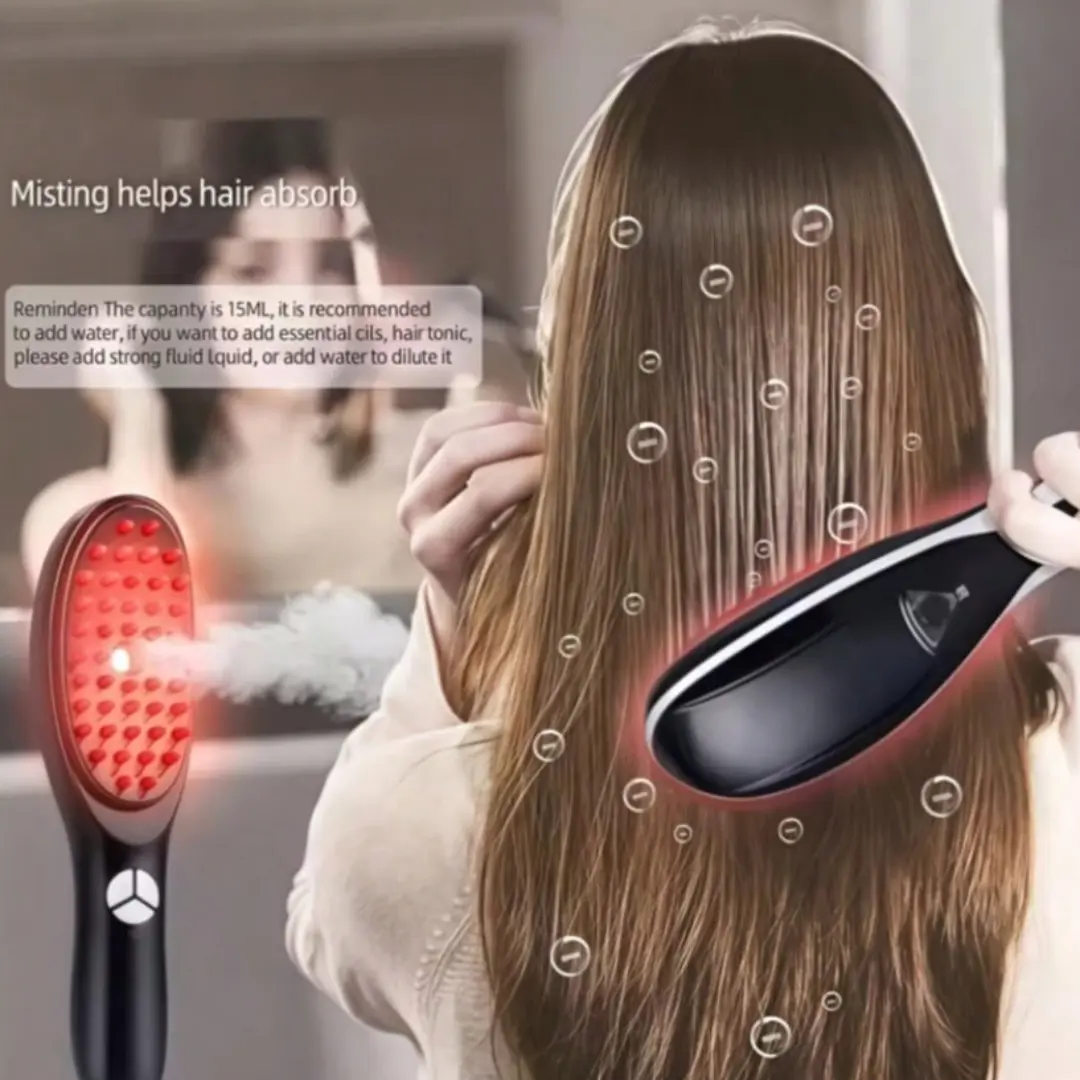
Can you really get these treatments for free? Check the guide!

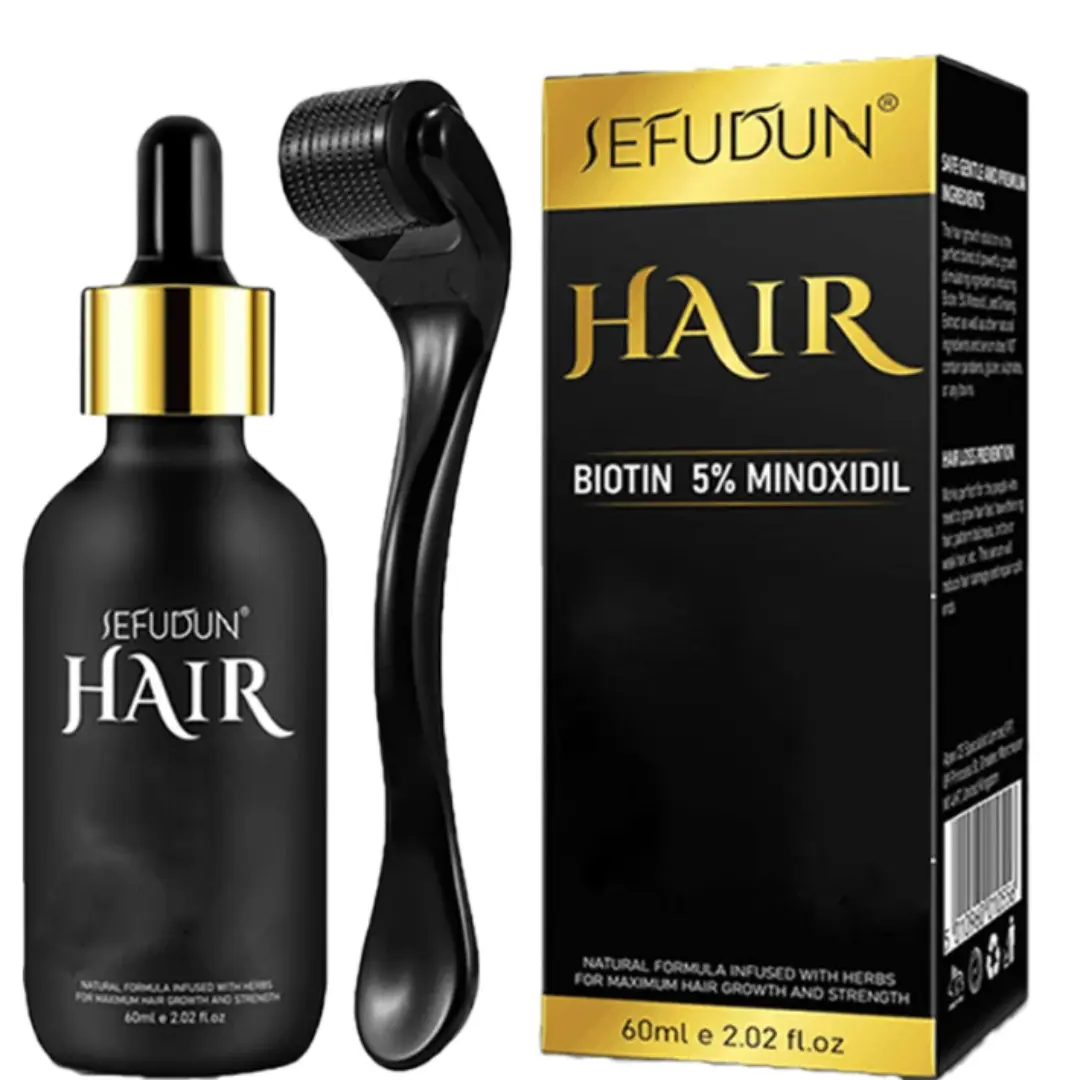
Are you worried about balding or seeing early signs of male pattern baldness? We’ve got you covered with trusty, science-supported options. This article talks about proven treatments for men’s hair loss like finasteride and minoxidil. It also covers non-surgical methods, surgical options, and smart ways to think about offers from the Shein Free Trial Center.
People in the United States, including partners and family members, will get clear, fact-based details. These are linked to trustworthy clinical advice from places like the American Academy of Dermatology and the FDA. Our goal is to link the reasons for baldness to treatments, and help you decide on trying a Shein Free Trial Center deal.
Get ready for straightforward comparisons of different treatments and tips on checking trial offers. We also have advice for styling and boosting confidence while dealing with hair thinning. By the finish, you’ll know the causes, consider your options, and be ready to make smart choices about treating and caring for balding hair.
Key Takeaways
- Male pattern baldness is common and has well-studied medical treatments like finasteride and minoxidil.
- Non-surgical options such as PRP and low-level laser therapy are worth considering alongside medications.
- Evaluate Shein Free Trial Center offers for eligibility, clear terms, and any costs after the trial ends.
- Hair transplant candidacy depends on donor hair and overall health; consult a board-certified dermatologist or surgeon.
- Practical grooming and scalp care can improve appearance and confidence while you pursue treatment.
Understanding male pattern baldness and causes
Many men start to notice their hair thinning in their 20s or 30s. Some see a receding hairline, while others notice thinning at the crown. Understanding the causes is key to making good choices about treating hair loss.
What is male pattern baldness?
Androgenetic alopecia is the scientific term for most men’s hair thinning. Doctors use the Norwood scale to describe where hair is receding. Hairs become thinner and shorter over time, and without treatment, bald spots often appear.
Common medical and lifestyle causes
Hair loss doesn’t always happen the same way. Some issues cause widespread shedding that can be fixed with the right treatment.
- Telogen effluvium: occurs due to stress, sickness, surgery, or significant life changes.
- Alopecia areata: is when sudden bald spots appear because of autoimmune problems.
- Medication-related shedding: happens with chemotherapy and some blood pressure medications.
- Endocrine and nutritional issues: include thyroid disease, iron shortage, not enough vitamin D, and low protein levels.
- Scalp infections: such as fungal infections that hurt hair roots.
- Lifestyle contributors: include smoking, poor diet, constant stress, and tight hairstyles leading to traction alopecia.
It’s crucial to see a doctor early to pinpoint treatable reasons for hair loss. Early diagnosis means more treatment options.
You will remain on the same website.
How genetics and hormones contribute to hair thinning
Genes play a big part in male pattern baldness. Having family members with hair loss means you’re more likely to experience it too. Genes affect how hair roots react to hormones.
DHT, or dihydrotestosterone, has a big role. It attaches to certain hair follicles, making them produce thinner hair until they eventually stop. Knowing how hormones impact hair loss helps us understand why some treatments focus on DHT.
Top hair loss treatment options for men
Men with thinning or bald hair have many options. These vary by the cause, stage, budget, and how much risk you’re willing to take. Talking with a licensed clinician will help find a plan that fits your goals and health.
FDA-approved medications and how they work
Two treatments are FDA-approved for male hair loss due to androgenetic alopecia: topical minoxidil (Rogaine) and oral finasteride (Propecia).
Minoxidil, a topical solution, should be applied to the scalp twice daily or as prescribed. It helps slow hair loss and encourages new growth for many. Yet, some may experience scalp irritation or a phase of increased shedding as weaker hairs are replaced.
Finasteride prevents the conversion of testosterone to DHT. Men typically take 1 mg daily. Studies reveal it can stabilize hair loss and even promote regrowth in many cases. However, a small number of users report sexual side effects. Women who are pregnant or might become pregnant should avoid touching broken tablets.
Before starting these medications, discuss the risks and follow-up care with a healthcare provider. Lab tests or repeat visits can help monitor your progress and any side effects.
Non-surgical procedures: PRP, laser therapy, and topical solutions
PRP for hair loss involves using your blood to inject growth factors into the scalp. Though outcomes vary, studies show it has modest to moderate effects. The typical treatment plan includes monthly sessions for three to four months, followed by maintenance.
Devices for low-level laser therapy, like combs and helmets, aim to boost follicle activity. Some research supports their use, showing improved hair thickness. For noticeable results, use these devices daily or multiple times a week for months.
There are also compounded and prescription topicals, including formulas with finasteride or caffeine. Look for products backed by evidence. Always consult a dermatologist about effectiveness and potential side effects.
Surgical options: hair transplants overview and candidacy
Hair transplants move hair from where it’s plentiful to areas with thinning. The two main techniques are FUT and FUE.
Suitable patients have enough donor hair and realistic expectations. Transplants improve density but don’t create new hair. The cost can reach several thousand dollars, based on the number of grafts and the clinic.
Common risks include scars, infection, and some hair loss after surgery. Recovery time varies, with results showing over months. Select a certified surgeon and look at their past work and patient reviews.
Over-the-counter products and supplements to consider
Some over-the-counter products can improve scalp health. Look for shampoos with ketoconazole or formulas with saw palmetto. These are most effective when used with other treatments.
Supplements like biotin are helpful if there’s a deficiency. Replacing iron or vitamin D can aid only if tests show you’re low. Omega-3s might improve hair’s overall health. Remember, supplements can’t take the place of treatments for genetic hair loss.
Consult a healthcare professional to test your levels and review any interactions with your medications. A mix of specific medical treatments, office procedures, and the right over-the-counter products can maximize your chances of reducing hair loss and enhancing your look.
How to evaluate Shein Free Trial Center offers
Before signing up, always read the small print. The Shein Free Trial Center seems appealing with its free samples and trial bundles. Yet, it’s key to know that not every offer will be the same. It’s smart to look into what each offer includes, who can join, and the billing details to avoid unexpected charges.
What the offer usually includes
Free trial hair products typically come as small sample sizes, single consulting sessions, or starter kits for taking care of your scalp. You might find small bottles of solutions, discount codes for buying full-size products, and kits for starting a grooming routine. When a product says it helps with hair loss, check the ingredients and compare them with reliable dermatology info.
Eligibility, signup process, and common limits
Most trials are for people 18 and older and might only be available in certain places or across. There are usually rules like one trial per customer, needing to make an account, and giving payment details. These details might sign you up for a paid plan once the trial is over. You’ll likely need to confirm your email and shipping address, too. Remember, small samples may not show if something really works for hair loss problems. Sometimes, you might need to see a doctor before trying products with strong ingredients like minoxidil or finasteride.
Red flags to watch for
- Subscriptions that are hard to cancel or billing terms that aren’t clear at checkout.
- Products that don’t fully list ingredients or make big promises that seem too good to be true.
- Lack of official support or proof for ingredients claimed to treat hair loss.
- Sellers using the Shein Free Trial Center to trick people.
To keep safe, read all terms carefully, look for reviews on websites that aren’t connected to the brand, and make sure the payment page is secure (HTTPS). If anything is not clear, ask customer service to explain. Before trying products for health reasons, talk to a real dermatologist. And if you run into scams, notify the Federal Trade Commission.
bald hair: styling, confidence, and maintenance tips
Managing hair changes is simple if you know how. You can go bald by choice or deal with thinning gracefully. Good care and the right style make all the difference. We’ll go over cuts, daily care, and how to feel good with your look.
Short styles and grooming techniques
Choose cuts that blend thin spots with the rest of your hair. Buzz cuts and fades look good and hide thinning. A good barber can use special scissors to make everything blend better.
You will be redirected to another website.
To keep your scalp from shining too much, try matte products or powders. Keep any hair you have neat. If you want a fuller look, think about scalp micropigmentation. Do this with a pro’s advice.
Scalp health, cleansing routines, and products
A healthy scalp supports hair growth. Use gentle shampoo and condition often to prevent breaks. For dandruff, use a special shampoo occasionally.
Wear hats or use SPF spray to protect your scalp from the sun. Avoid hot tools and strong chemicals. Some doctors suggest minoxidil for hair growth. Caffeine products can also help.
If you have scalp issues like psoriasis, treat them fast. Ignoring them can make hair fall out faster and hurt more.
Psychological effects and confidence-building strategies
Changes in hair can make you feel different. Some men feel less confident, while others embrace being bald. It’s important to have realistic hopes and seek help when you need it.
Support groups and therapy can help with bad feelings. Looking up to bald celebs like Jason Statham shows being bald can be cool. A sharp beard, cool glasses, and clothes that fit well can also make you feel great about being bald. Small changes in your look can make a big difference.
Conclusion
This guide has explored the reasons behind hair thinning, including male pattern baldness. It looked at effective treatments for men. These range from FDA-approved drugs like finasteride and minoxidil to PRP therapy, laser options, and hair transplant surgery. It also touched on over-the-counter products and daily scalp care to help with hair loss.
Understanding the difference between quick fixes and real medical solutions is key. This knowledge helps in creating a solid plan to tackle hair loss.
Always check with a doctor or a skin expert before trying new hair loss treatments. This ensures the cause of hair thinning is properly identified. Be cautious about offers like the Shein Free Trial Center, and always talk to a healthcare provider before using medical products.
For a quick fix, consider changing your hairstyle or grooming methods. Remember, though, that most treatments need time to work, often several months.
Setting realistic expectations is important because results can vary. Using medical treatments proven to work, keeping the scalp healthy, and choosing the right hairstyle can improve your chances of dealing with baldness. By doing these, you might feel better about yourself.
Always focus on safety. Get prescriptions from real doctors, make sure your products come from trustworthy sources, and choose well-known clinics for treatments like PRP or hair transplants.
Content created with the help of Artificial Intelligence.