Anúncios
Love gear and play hard? Being a sports gear tester lets you turn passion into work. You’ll test athletic wear, shoes, protective equipment, and accessories everywhere. You’ll check how they fit, feel, last, and perform. Then, you’ll report back. This helps shape new products from brands like Nike, Under Armour, New Balance, Brooks, and REI.
Are you an athlete, coach, or just love sports? Then, testing athletic wear might be for you. It doesn’t matter your age or skill level. You don’t need to be a pro to give great feedback. If you love testing sports gear, there are chances for you. Whether you have a busy schedule or can commit more time, there’s a spot for you.
You might write or record reviews. Or test how materials wear out. Expect to share thoughts on how things fit and perform. You might also fill out questionnaires. Your feedback helps brands improve and market their products.
How you’re paid can vary. Some offer cash, others free or cheaper products. Sometimes, it’s a mix of both. You might get travel pay for on-site tests. Long-term work and early access to new products are common benefits.
Anúncios
Know the rules. NDAs, or secrecy agreements, are usual. You might have to return items. Watch out for shipping times and rules if you’re dealing internationally. Also, look into how your data will be used before signing up.
There are lots of chances to test sports products in the U.S. Quick shipping and local events help you get started. Whether you’re eyeing a short-term review job or a long-term role, the U.S. has plenty of options.
Key Takeaways
- Sports gear tester roles evaluate fit, comfort, durability, and safety for athletic products.
- Anyone active in sports—from weekend runners to trainers—can become an athletic wear tester.
- Deliverables include reviews, lab-style wear data, and structured performance metrics.
- Compensation may be cash, free gear, vouchers, or a combination of rewards.
- NDAs, return policies, and shipping details are common and should be reviewed carefully.
- U.S.-based brands like Nike and REI create abundant testing opportunities and faster logistics for U.S. testers.
Why Become a Sports Gear Wear Tester: Benefits and Opportunities
Becoming a sports gear wear tester is a great chance for athletes and hobbyists. You get to try out new gear and help shape its future. Your insights on fit, comfort, durability, and performance are crucial. They help brands improve their products before launching them to everyone.
Get paid or receive free gear
Big names like Nike, Adidas, and The North Face look for testers. They offer free sports gear or pay you for your time. Some trials pay in cash for the hours you spend testing, while others offer gear or discounts. Smaller brands might trade products for your detailed feedback and shoutouts on social media.
Influence product design and performance
Your reports can really make a difference in what products look and feel like. Whether it’s feedback on a bike saddle or a running shoe’s cushioning, your thoughts can lead to real changes. This helps brands make sure their products hit the right balance before they make lots of them.
Build experience for a career in sports product testing
Testing products is a great way to build your resume for a career in this field. You’ll learn about how to assess materials, the basics of biomechanics, and even how to take good photos for reports. This could help you land a job in product development or become a brand ambassador for companies like Puma or REI.
Flexible commitment for hobbyists and pros
Whether you’re doing this just for fun or as a pro, there’s flexibility. You might sign up for quick tests or longer studies that need regular updates. Some tests you can do from home, while others might need you to visit a lab or store.
- Short trials: 1–2 hour field tests or one-week wear trials.
- Long projects: multi-month beta tests with scheduled checkpoints.
- Work types: paid product testing, product exchange, or stipend-based studies.
The perks of gear testing are pretty cool. You get to see and use new stuff, maybe keep some gear, and even get into paid testing. You can choose when and how much you want to test. Plus, your feedback could help shape the future of sports gear for activities like running or cycling.
How to Find Sports Gear Testing Opportunities
To begin finding sports gear testing chances, start by searching. List your favorite sports and the brands you love. Create a quick profile noting your size, how much you train, and if you can take photos or make videos. This profile helps you quickly apply to be a sports gear tester.
Where to look: brands, startups, and testing platforms
Look for opportunities on big brand sites and their programs for fans. Explore Nike Innovation, Under Armour community pages, and New Balance outreach. Smaller brands and startups often search for testers on Kickstarter or through their emails when they’re launching something new. Websites like BetaTesting and other review sites also list sports gear testing gigs.
Using social media and professional networks
Find testing opportunities by following sports brands on Instagram, X, Facebook, and LinkedIn. Activate alerts for updates on gear you’re interested in. Join sports communities on Reddit, like r/Running and r/Cycling, and get involved in Strava clubs. Being active and respectful helps you get noticed by brand managers.
Signing up for product testing panels and beta programs
Joining official beta programs and product testing panels ensures you’re in line for tests. Look into REI Co-op or Salomon for structured testing chances. Be ready to share details like your usual workout, gear preferences, and if you’re tech-savvy when applying.
Local opportunities: pro shops, universities, and clubs
You can also find testing calls at local sports shops or events. Fleet Feet and local bike shops sometimes have gear tests. University sports science departments often need study participants, offering a small payment. And clubs or sports leagues may help you test gear in real competition.
Maintain a record of your applications and any feedback. Making regular attempts across different outlets broadens your opportunities to test products that fit your skills and interests.
Sports
Testing gear for sports requires setting clear standards and honest reviews. Brands need testers who reflect real users. They should gather objective data and ensure safety for themselves and the product. Let’s dive into what companies seek in testers, sport-specific criteria, documenting results, and safety during tests.
What brands look for in testers for different sports
Brands seek testers who resemble their buyers: recreational runners, elite cyclists, youth in team sports, and hikers. Those with consistent training and a history of helpful feedback are preferred. Clear, factual feedback is crucial for selection.
Having tech knowledge is key, especially if lab tests are needed. Using devices like GPS or heart-rate monitors is a plus. Testing benefits from a diverse group. It ensures products work well for everyone.
Sport-specific testing criteria: running, cycling, team sports, outdoor
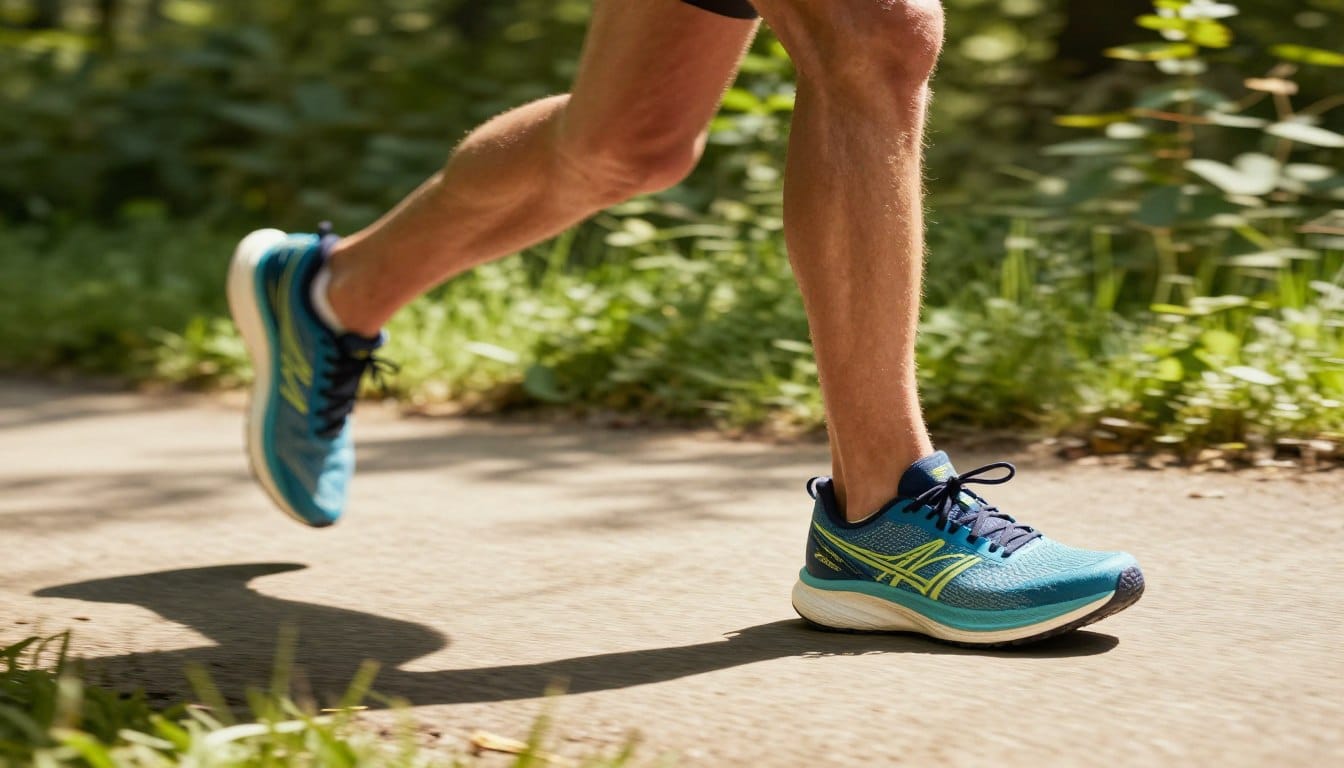
For running, testers focus on how shoes perform. This includes their cushioning, weight, and how well they breathe. It’s important to note the distance covered and when the shoes start to wear down.
In cycling, testers look at how well clothes and gear fit. Comfort, breathability, and performance are key. They should track ride comfort and performance data.
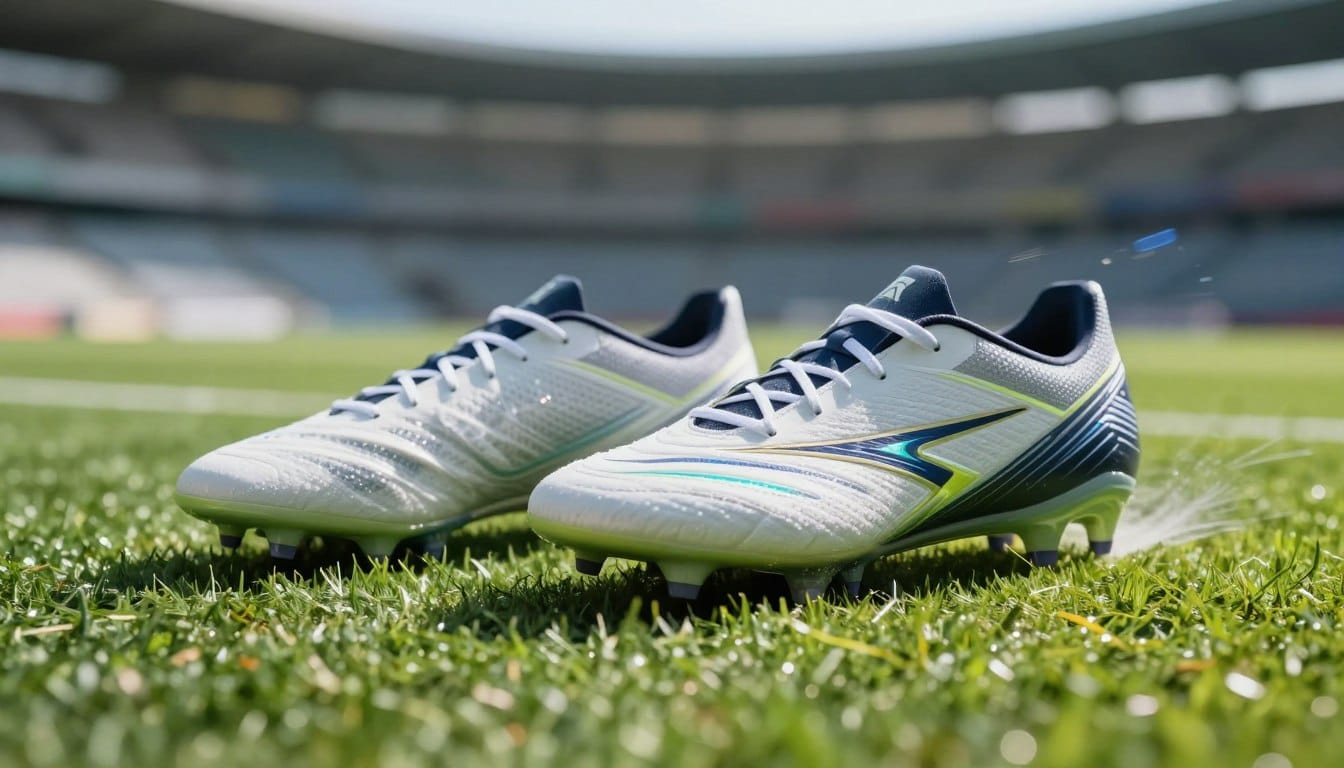
Teams sports require checking how equipment handles. This includes ball control and how well cleats work. Gear needs to last through rough play in sports like soccer and basketball.
Outdoor gear needs to keep out water, breathe well, and resist wear. Testers should try gear in different conditions to see how it holds up.
How to document and report performance by sport
Use templates for consistent tracking. Include key details like date and weather. Daily notes help spot trends.
Adding numbers to your observations helps. Upload relevant data and rate comfort or performance. Match facts with how gear feels.
Your findings should be easy for others to repeat. Describe your testing conditions in detail. Reports often need photos, videos, and specific timestamps for issues like tears.
Staying safe and injury-aware while testing
Your safety is most important. Don’t ignore pain for the sake of a test. Always use protective gear correctly. Follow the gear’s fit recommendations.
If hurt, tell the brand and stop testing if needed. Note down what happened, including any medical advice. Some testing might need you to have personal insurance or a doctor’s okay.
Conclusion
Being a sports tester means mixing a love for sports with making a real difference in product design. You get to help shape the future of sports gear like shoes and clothes. You might get free gear, some money, or both for your work.
Your honest feedback on sports products helps companies improve their items. It makes things safer and works better for everyone. And, you build a great reputation that opens doors for more testing gigs.
Want to start in the U.S.? Make a neat tester profile that talks about your sports skills, your experience, and what sizes you wear. Don’t forget to mention if you’re good with social media or cameras. Follow brands you like, such as Nike and REI online, and join groups like REI’s co-op trials. Local shops and social groups are also good places to find testing opportunities.
Begin with small projects, always meet your deadlines, and send in detailed reports with pictures. Keep all your previous work in one place. This will come in handy when you’re applying for more sought-after gigs. Always be honest in your feedback. Companies like specific tips more than just compliments.
Look after yourself too. If gear doesn’t feel right, let the company know right away.
Ready to dive into sports testing? Try joining a brand panel, go to a demo day, or talk to a sports shop nearby. Learning to review sports gear and giving useful feedback can open the door to a fun and rewarding hobby or job.
Content created with the help of Artificial Intelligence.