Ads
Picking the right fabrics for Plus Size Cover Ups can really change your summer experience. Nowadays, cover-ups like caftans and kimonos are not only stylish but versatile. They’re ideal from the beach to brunch. Brands such as Anthropologie and those featured by Curvy Fashionista showcase how essential these pieces can be.
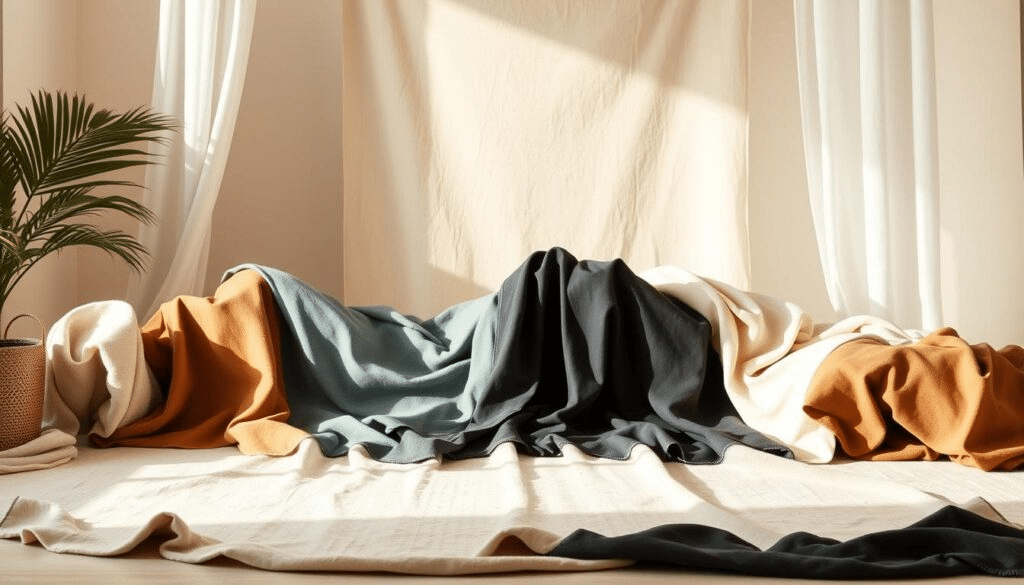
Our guide on cover-up fabrics leans on both sewing and lifestyle advice. It suggests materials that offer a mix of breathability, good fit, and utility. Opt for light fabrics like rayon challis, voile, and linen to let your swimsuit dry and protect you from the sun. For those active by the water, performance blends that stretch and dry quickly are perfect.
Whether buying or making your beachwear, picking the right fabric for your needs is crucial. Your choice should reflect both the shape you want and the activities you’ll do. Selecting the correct material ensures comfort, proper coverage, and durability against elements like the sun or chlorine. Follow our advice to find fabrics that enhance curves and meet the demands of real-life wear.
Key Takeaways
- Choose fabrics that balance drape and coverage for flattering silhouettes.
- Lightweight wovens like rayon challis and voile work well over damp swimwear.
- Performance blends provide stretch, quick-dry, and chlorine resistance.
- Structured fabrics suit travel-ready tunics and shirt-style cover-ups.
- Match fabric choice to activity—lounging, transit, or active water sports.
Why fabric choice matters for plus size cover ups
The fabric choice is crucial for how a cover-up feels, fits, and works. When dressing for the sun, travel, or after swimming, feeling comfortable and confident is key. The best materials keep you cool, hide wetness, and flex with your moves, letting you enjoy the day fully.
Ads
Comfort and breathability
Fabrics like rayon challis, voile, and linen mixes let your skin breathe and dry off fast. They prevent sticking and overheating when it’s hot. For extra comfort, seek out soft fabrics that flow nicely without making you look bigger. These light layers help you stay modest and comfy without losing your style.
Stretch, recovery, and movement
For active wear, your cover-ups need to stretch and move with you. Fabrics that snap back into place stop sagging and unwanted gaps. Materials like nylon-spandex and polyester-spandex give you freedom to move and a snug fit. Make sure the lining stretches too, so your clothes keep their shape over time.
Durability around sun, salt, and chlorine
Beach and pool clothes deal with sun, salt, and chlorine, which can weaken fabric. Go for chlorine-resistant materials or specially treated synthetics for long-lasting wear. Quick-drying and polyester blends keep their color better. Combine airy fabrics for chilling with technical ones for swimming or moving around.
- Pick breathable cover-up fabrics for hot-weather comfort and airflow.
- Prioritize stretch recovery in athletic styles and lined garments.
- Choose chlorine-resistant fabrics for swim-adjacent covers that last.
- Seek plus size comfort fabrics that combine drape, support, and durability.
Lightweight woven fabrics ideal for flowy cover-ups
Pick lightweight woven fabrics for cover-ups that float and flatter. They’re perfect for kimonos, maxi dresses, and comfy tunics. You can wear them from the beach to a café. Think about how clear, light, and reactive to water the fabric is before buying.
Rayon challis and viscose: drape and breathability
Rayon challis has a soft texture and smooth drop that looks great on curves. It’s a favorite for airy kimonos and printed maxi dresses because it highlights designs without sticking to the body. Rayon’s viscous drape gives clothes a flowy, forgiving shape.
Rayon cover-ups are good for the heat and dry quicker than thick cotton. Try it over your swimsuit to make sure it covers well and doesn’t bleed color before you use it a lot.
Voile and lawn: semi-sheer options for layered looks
Voile and lawn fabrics are super light and slightly see-through, perfect for delicate layers. A voile cover-up adds a light, layered look over swimwear or a thin slip.
This fabric works well for kimono wraps and short cover-ups. Add a lining or a slip for more coverage. Very transparent voiles are best used as an additional layer, not by themselves.
Linen and linen blends: natural texture and cooling effect
Linen gives a cool, airy feel perfect for hot weather. Mixing it with cotton or viscose keeps its natural look but makes it less stiff.
You’ll find linen a bit wrinkly and semi-transparent in light colors. Medium-weight linen blends are great for comfy shirts and robes that need structure and breathability. An underlayer can help with sheerness while maintaining the fresh feeling.
- Pick medium-weight rayon challis for printed, flowy designs.
- Use voile for ethereal layers and controlled translucence.
- Opt for linen cover-up fabrics when you need cooling texture and a relaxed silhouette.
Performance and swim-specific fabrics for active cover-ups
Sporty cover-ups should move with you, whether you’re playing with kids, heading to the water, or joining a volleyball game. They should have stretch, recover quickly, and withstand sun, salt, and many washes. Make sure your cover-up is built like swimwear so it stays in shape, even when wet.
Nylon-spandex and polyester-spandex blends
- Choose nylon-spandex for its softness, stretchiness, and ability to snap back into place. These blends are comfortable and durable.
- Polyester-spandex is great for resisting fading and quick drying in the sun. They’re perfect for fits like rash guards or swim tunics.
- If you swim a lot in chlorinated pools, pick fabrics with PBT or better elastane. This choice helps your cover-up last longer.
Four-way stretch fabrics: why they matter
- Four-way stretch in swim fabrics allows for freedom of movement in all directions. It’s key for bending, stretching, or running on the beach.
- Look for fabrics with 60–80% stretch, including stretchy linings for snug fits. Textured fabrics also hide signs of wear while staying flexible.
- Use the right swim elastic and strong notions for waistbands and cuffs. This keeps the fit snug, wear after wear in the water.
Quick-dry and chlorine-resistant finishes
- Quick-dry materials help your cover-up lose water weight fast, keeping you comfy between dips. Polyester and nylon are best for this feature.
- Choose chlorine-resistant finishes or advanced fibers to make your swimwear last in the pool. Look for special labels indicating suitability for pool use.
- For busy days at the beach, opt for rash guards or swim shorts with mesh pockets. These combine quick-drying and smart design for less drag and air trapping.
Sheer and lightweight knits for breezy, flattering silhouettes
When you’re picking or making beach-to-street wear, go for fabrics that are cool but not too see-through. Tees, tunics, and caftans in soft knits look laid-back but can still be worn away from the beach. They should keep their shape, dry quickly, and layer easily over swimsuits or slips.
Cotton voile knit and lightweight jerseys
- Cotton voile knit is partly sheer and perfect for keeping cool. It’s great for making tees and dresses that flow.
- Lightweight jersey cover-ups are stretchy and laid-back. Choose ones that bounce back to avoid them getting stretched out after wearing or washing.
Mesh and lace: styling tips
- Use mesh and lace as fancy layers on top. Wear them over solid swimsuits or slips to make sure your outfit looks on purpose.
- For a pop of style, put contrasting colors underneath. Or, keep it simple with matching shades. Short kimonos and long dusters with mesh add breeziness and texture.
Underlining and layering techniques to avoid transparency issues
- When using light colors or very sheer fabrics, how you line them is key. Add a liner or just at the bust and midsection to keep it modest.
- To stay cool but covered, use thin cotton or microfiber slips that don’t cling when wet. Choose slips that dry quickly for comfort.
- Sewing tip: Use narrow binding to finish seams when adding linings. This keeps cotton voile knit and lightweight jerseys flowing nicely.
Structured woven fabrics for polished cover-ups and daywear
Structured wovens make cover-ups look smart, perfect from beach to brunch. Choose items that keep their shape but are still comfy. Look for shirt-style tops, button-front tunics, and light robes that go well over swimwear or a tee.
Poplin and sateen for shirt-style cover-ups and tunics
Poplin gives cover-ups crisp lines and feels light and cool. It’s great for quick trips or catching a flight.
A sateen tunic brings a soft glow that looks fancy yet stays airy. For comfort and style, pick a loose sateen tunic or one with a cinched waist.
Twill and lightweight denim for durable, travel-ready covers
- Go for a twill cover-up for its durability. Twill stays strong and keeps pockets and seams intact over many wears.
- Lightweight denim cover-ups offer a tough denim look but are lighter. They handle travel well, match sneakers, and are better at hiding wet spots than thin fabrics.
When to choose structure over drape for silhouette control
Pick structured pieces for sharp hems, neat collars, and sleeves that stay in shape. They provide modesty and clean lines when moving around different places.
Choose structured but airy mediums. Look for items in medium weights or those with short, breezy cuts. They keep you cool and maintain the smart look needed for travel and daywear.
Eco-friendly and luxurious fabric choices for poolside lounging
Look for fabrics that are both rich to the touch and good with water. A Tencel or lyocell cover-up offers a gentle flow and keeps you cool, thanks to breathability. Cupro beachwear gives you a silk-like softness but is tougher than real silk.
Tencel and lyocell are made from eco-friendly wood pulp. They pull moisture away and don’t stick, so your clothes stay smooth. You can wear a Tencel cover-up as a kimono, wrap dress, or a shirtdress – perfect for summer.
Cupro beachwear is smooth and fancy. It’s great for kimono-style robes and light wraps. Unlike silk, cupro can handle some wear and is okay if you rinse it after it gets salty or chlorinated.
Most satin and charmeuse fabrics aren’t good near water. Instead, choose sateen or a synthetic blend for swimwear. These materials don’t easily stain and they dry quickly, but still have a shiny look for the pool.
- Rinse off salt and chlorine with cool water right away.
- Wash with a soft detergent made for delicates or swim stuff.
- Let it air dry on a flat surface or hang it to keep its shape.
- Do a spot-test for water marks before you use a lot of the fabric.
Looking after luxury fibers correctly is key. Don’t use high heat to dry or iron them. Keep your garments out of the sun to avoid color fading. Treat cupro beachwear gently by washing and drying it carefully to maintain its softness.
When picking a lyocell cover-up or a swim-friendly satin, check the tags for fabric mix and treatment. Fabrics mixed with a bit of synthetic fiber are often stronger and easier to care for, without losing that luxurious feel.
How to choose fabric based on cover-up style and activity
Choosing the right fabric for your cover-up depends on the day’s activities. Whether you’re walking on the beach, having lunch by the pool, or playing with kids, each activity has its own needs. Consider how the fabric drapes, how see-through it is, and if it dries quickly.
For a maxi dress, you’ll want fabric that flows and doesn’t stick when wet. Fabrics like rayon challis, lyocell, cupro, and lightweight voile are perfect. They have a nice drape and come in prints that flatter your body shape.
Tunic cover-ups are great for when you’re running errands or on the move. Choose fabrics like poplin, sateen, or sturdy cotton to keep you covered and comfortable. Fabrics like lightweight twill or a cotton-linen blend are also good choices for a polished look.
Sporty cover-ups need fabrics that stretch and dry fast. Look for blends of nylon-spandex or polyester-spandex. These fabrics should also protect you from chlorine and the sun while remaining snug. For swim shorts and board shorts, choose polyester or a blend with fast drying and secure fit.
- For elegant kimonos, choose rayon, voile, or cupro.
- For structured tunics, go for poplin, sateen, or shirting cotton.
- For activities, choose nylon or polyester blends that stretch and dry quickly.
Choosing the right prints and textures can also hide dampness and compliment your body. Go for small prints, dark colors, and vertical lines to look slim. Fabrics like slub linen or dobby add interest and hide wet spots better.
When putting together a set of cover-ups, include a variety of pieces. A soft maxi dress, a structured tunic, and a sporty rash guard cover all your needs. This mix will have you covered for any occasion, from the beach to brunch, with fabrics suited for each event.
Conclusion
Finding the right fabrics for plus size cover ups is easy. Go for light fabrics like rayon challis, voile, or linen for a nice flow. Choose poplin or twill for a more polished look. For activities, pick materials with stretch and quick-dry properties.
Breathable fabrics are best for hot days, and opaque ones are good where modesty is key. Durable finishes help your cover-ups last longer, even with frequent wear. Also, think about how easy they are to care for, especially with fancy fabrics.
Choose the right fabric based on what you’ll do: rash guards for sports, towels for drying off, and kimonos for lounging. Mixing different shapes and textures can make your summer outfits more interesting and comfortable.
This guide helps you find fabrics that offer both style and comfort. Whether you’re buying from Lands’ End or EILEEN FISHER, or making your own, pick materials that suit your daily life. That way, your cover-ups will be essential parts of your summer wardrobe.
FAQ
What are the best fabrics for plus size cover-ups?
The top choices mix good flow, coolness, and strength. Light fabrics like rayon challis and viscose are great for fluid robes and kimonos. Linen blends cool you down in big shirts and tunics. For snug or active wear, pick stretchy nylon-spandex. Poplin and sateen are best for a sleek look.
Why does fabric choice matter for plus size cover-ups?
The right fabric brings comfort, fit, and usefulness. Breathable materials keep you cool. Stretchy ones prevent gaps in snug outfits. Durable fabrics stay fresh after sun and water exposure. They also keep their color and shape.
Which fabrics are best for comfort and breathability?
For staying cool and comfy, go with rayon challis, lyocell, and lightweight linen. Cotton is soft and cozy for T-shirts and dresses. These fabrics let air in and keep you cool, perfect for hot days.
What stretch and recovery should I look for in sporty cover-ups?
Pick fabrics with four-way stretch, like nylon-lycra, for snug swimsuits and active wear. They should stretch a lot but snap back into shape. This keeps your outfit looking good, even after a swim.
How do fabrics hold up around sun, salt, and chlorine?
Synthetic blends are tough against sun, salt, and pool chemicals. PBT/elastane and quality swim materials won’t fade. Natural fibers need quick care after getting wet to keep their color and feel.
Which lightweight wovens are ideal for flowy, plus size cover-ups?
For flowing and flattering shapes, choose rayon challis and viscose. Voile and lawn are light and good for layering. Cupro and lyocell feel luxurious and are eco-friendly, great for fancy kimonos.
When should I use linen or linen blends?
Linen is best for its natural look and cool feel. It’s perfect for big shirts and relaxed tunics. Remember, linen can wrinkle and might be see-through in light colors.
Are sheer fabrics appropriate for plus size cover-ups?
Sheer materials like voile and lace make light and fancy layers. Wear them over something solid or add a lining for more cover. Always check how see-through your fabric is before you start cutting.
Which knits work well for breezy, flattering silhouettes?
Soft cotton knits and light jerseys are good for comfortable tees and dresses. They drape nicely and feel great. Pick quick-dry types for swimsuits and add a lining for thin fabrics.
How can I use mesh and lace without sacrificing coverage?
Use mesh and lace for stylish top layers. Wear them over a solid swimsuit or add a slip. You can hide key areas while keeping a breezy look with thoughtful layering.
What structured woven fabrics suit shirt‑style cover-ups and tunics?
For crisp shapes, choose poplin or light twill. They hide what’s underneath and stay cool in lighter weights. These fabrics keep their shape through travel and wear.
When should I choose structure over drape?
Go with structured fabrics for a tidy look and cover-ups that travel well. Pick flowing fabrics for a relaxed vibe by the pool.
Are there eco‑friendly or luxurious fabric options for poolside lounging?
Tencel and cupro are eco-friendly and drape well, perfect for luxurious kimonos. Sateen and synthetic satins offer a fancy look that stands up to water.
How do I care for delicate or luxury cover‑up fabrics?
Wash gently in cold water and avoid high heat. Check for water spots before cutting big pieces. Dry flat and keep out of direct sunlight to keep colors bright.
What fabric choices match specific cover‑up styles and activities?
For flowing maxis, pick rayon or voile. Use poplin for tunics and shirts that need to look sharp. For active wear, like swimsuits, choose stretchy nylon-spandex. Quick-dry and resistant fabrics are key for swim pieces.
How can I hide dampness and flatter curves when wet?
Darker colors and textured fabrics hide wet spots. Linen or medium-weight rayon show less cling. Lining or quick-dry materials prevent see-through moments when wet.
What construction or sewing tips improve fit and longevity?
Match the stretch of lining to outer fabrics for snug fits. Use swim elastics for swimwear. Plan for how fabric behaves—like shrinkage. For sheer fabrics, use full linings. Test fabrics before cutting for the best result.
Can cover-ups be worn beyond the beach?
Yes. Modern covers such as maxis and tunics work well for many occasions. Choose fabrics that transition well to everyday use.
How should plus size shoppers approach fabric selection overall?
Focus on fabrics that breathe, stretch right, and cover well. Match the fabric type to your outfit’s shape. Explore different fabrics and styles for a great summer wardrobe.
Content created with the help of Artificial Intelligence.